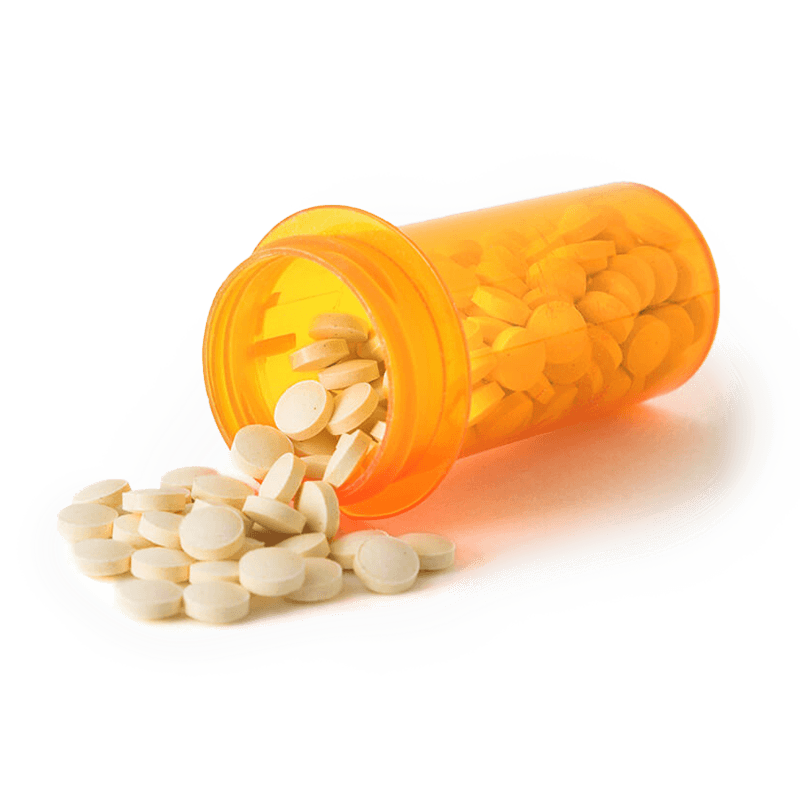
The Power of Low-Dose Naltrexone (LDN)
Our Approach to Inflammation and Weight Management
Low-Dose Naltrexone (LDN) is gaining attention in the world of integrative and functional medicine for its surprising benefits beyond addiction treatment. Originally approved by the FDA in 1984 at doses of 50–100 mg for opioid and alcohol dependence, researchers have since discovered that when used at much lower doses (typically 1.5–4.5 mg), naltrexone can positively influence the immune system, inflammation, mood, and even weight regulation.
Table of Contents
- How LDN Works
- Conditions That May Benefit from LDN
- LDN and Weight Management
- Who May Be a Candidate
- The Takeaway
How LDN Works
At low doses, naltrexone temporarily blocks opioid receptors for a few hours during the night. This short blockade triggers a “rebound effect,” prompting the body to increase its own production of endorphins. Endorphins are our natural pain-relieving and mood-boosting chemicals. These higher endorphin levels can improve mood, reduce cravings, and enhance immune regulation.
LDN also acts as a non-selective antagonist of toll-like receptor 4 (TLR4), found on microglia and macrophages. These are cells that play a major role in inflammation. By calming these cells, LDN helps reduce the release of inflammatory cytokines such as TNF-alpha and IL-6, which are implicated in autoimmune, neurological, and chronic pain disorders (Edler et al., 2021; Younger et al., 2014).
Conditions That May Benefit from LDN
LDN is being studied as a complementary therapy for various conditions, including:
- Autoimmune disorders: Hashimoto’s thyroiditis, rheumatoid arthritis, lupus, multiple sclerosis.
- Chronic pain syndromes: Fibromyalgia, neuropathy, and complex regional pain syndrome (CRPS).
- Neurological conditions: Parkinson’s disease, Alzheimer’s disease, and ALS.
- Mood disorders: Depression, anxiety, and chronic fatigue syndrome.
- Gastrointestinal issues: Crohn’s disease, ulcerative colitis, and IBS.
- Metabolic and hormonal concerns: Weight loss resistance, PCOS, and insulin resistance.
LDN and Weight Management
While LDN does not directly suppress appetite like GLP-1 agonists, its anti-inflammatory and neuroregulatory actions can indirectly support weight management. By improving sleep quality, balancing mood, reducing systemic inflammation, and supporting insulin sensitivity, LDN helps patients regain control over food cravings and metabolic health (Rubinstein & Leri, 2013).
Who May Be a Candidate
LDN is generally well tolerated, making it a promising option for individuals seeking support for inflammation or metabolic balance. It may be especially helpful for patients with autoimmune conditions, chronic inflammation, or metabolic dysfunction.
However, it is not suitable for individuals currently using opioids, those with significant liver or kidney disease, or women who are pregnant or breastfeeding. As always, treatment should be supervised by one of our licensed providers.
The Takeaway
At Verve Health, we focus on both relieving symptoms and addressing the underlying causes of health concerns through evidence-based, personalized care. Low-Dose Naltrexone offers a safe, affordable, and innovative way to support immune balance, reduce inflammation, and promote a healthier metabolism.
When combined with healthy nutrition, stress management, and lifestyle optimization, LDN can be an incredible tool in restoring vitality and balance from the inside out.
References
Edler, M. K., Mhatre-Winters, I., & Richardson, J. R. (2021). Microglia in aging and Alzheimer’s disease: A comparative species review. Cells, 10(5), 1138.
https://doi.org/10.3390/cells10051138
Parkitny, L., & McLain, D. (2014). The use of low-dose naltrexone (LDN) as a novel anti-inflammatory treatment for chronic pain. Clinical Rheumatology, 33(4), 451–459.
https://doi.org/10.1007/s10067-014-2517-2
Rubinstein, M. L., & Leri, F. (2013). The brain’s reward system and food addiction: Links to obesity. Current Obesity Reports, 2(3), 191–197.
Toljan, K., & Vrooman, B. (2018). Low-dose naltrexone (LDN): Review of therapeutic utilization. Medical Sciences, 6(4), 82.
https://doi.org/10.3390/medsci6040082
Younger, J., Parkitny, L., & McLain, D. (2014). The use of low-dose naltrexone (LDN) as a novel anti-inflammatory treatment for chronic pain. Clinical Rheumatology, 33(4), 451–459.
Recent Posts
- What Is Food Noise? How GLP-1 Quiets ItSeptember 30, 2026
- GLP-1 and Insulin ResistanceSeptember 28, 2026
- PCOS Is Now Called PMOS: What the New Name Means for YouSeptember 16, 2026
- Do You Have to Take GLP-1 Medication Forever?September 3, 2026
- Unboxing Your GLP-1 Medication: What to Expect From Your First DeliveryAugust 27, 2026
Categories
- All Posts (12)
- Weight Loss (4)
Archives
- September 2026 (4)
- August 2026 (2)
- June 2026 (1)
- February 2026 (5)
